

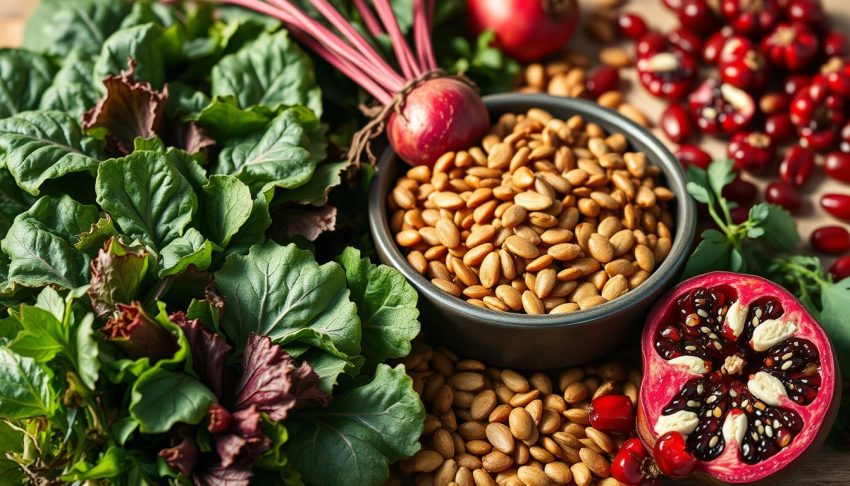
Maintaining adequate iron levels is crucial for overall health, and incorporating iron-rich foods into your diet can make a significant difference.
Iron deficiency is a common nutritional disorder that can lead to fatigue, weakness, and impaired cognitive function. Consuming foods high in iron can help prevent this condition.
This comprehensive guide will explore the top iron-rich foods that can help you quickly boost your intake and improve your overall well-being.
Key Takeaways
- Learn how to identify the top foods highest in iron to boost your intake.
- Discover both animal-based and plant-based sources of iron.
- Understand the importance of iron for your body’s functioning.
- Get practical tips on maximizing iron absorption through smart food combinations.
- Find out the specific iron requirements for different age groups and life stages.
- Prevent iron deficiency with actionable dietary adjustments.
Why Iron Is Essential for Your Health
Iron is a vital nutrient that plays a crucial role in maintaining our overall health. It is a mineral that your body uses to make hemoglobin, a protein found in red blood cells that helps carry oxygen to all parts of your body.
The Role of Iron in Your Body
Iron serves multiple essential functions in your body, with its primary role being the formation of hemoglobin in red blood cells. Hemoglobin is responsible for carrying oxygen from your lungs to all tissues and organs throughout your body, making iron directly linked to your energy levels and overall vitality. Additionally, iron contributes to proper brain function, immune system health, and regulation of body temperature.
How Iron Supports Red Blood Cell Function
Without sufficient iron, your body cannot produce enough healthy red blood cells, leading to iron deficiency anemia, which affects millions of people worldwide. Iron deficiency can impact cognitive development in children and impair physical performance in adults. Your body carefully regulates iron levels because both deficiency and excess can cause health problems.
The benefits of optimal iron levels include improved energy, enhanced immune function, better cognitive performance, and reduced risk of anemia. Understanding iron’s role helps explain why maintaining proper levels through diet is so important for preventing deficiency and supporting optimal health.
- Iron supports enzyme functions that help detoxify harmful substances in your body.
- Maintaining adequate iron levels is crucial for overall health and well-being.
Understanding the Two Types of Iron in Foods
There are two types of iron found in the foods we eat. Understanding these types is crucial for maximizing iron intake, especially for individuals with specific dietary needs or restrictions.
Heme Iron: The Easily Absorbed Form
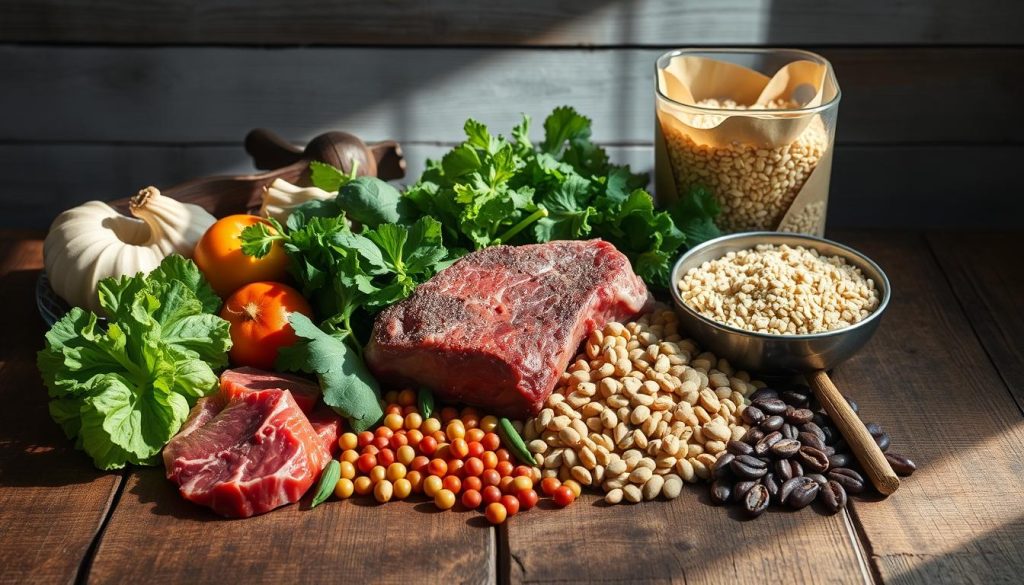
Heme iron, found in animal products like meat, fish, and poultry, is more easily absorbed by the body compared to non-heme iron. It is bound to hemoglobin and myoglobin proteins, allowing for a higher absorption rate of 15-35%. This makes heme iron a significant contributor to maintaining healthy iron levels, particularly in individuals who consume a diet rich in animal products.
Non-Heme Iron: Plant-Based Sources
Non-heme iron, on the other hand, is found in plant-based foods, eggs, and iron-fortified foods. While its absorption rate is lower (2-20%), consuming non-heme iron with foods high in vitamin C or heme iron can enhance its absorption. This is particularly important for vegetarians and vegans who rely on plant-based sources for their iron intake.
Top Animal-Based Foods Highest in Iron
The most effective way to increase iron intake is through consuming animal-based products. These foods provide heme iron, the most bioavailable form of iron, making them extremely efficient sources for quickly boosting your iron levels.
Organ Meats: Nature’s Iron Powerhouses
Organ meats, particularly liver from beef, pork, and chicken, are among the richest sources of iron. A 3-ounce serving of beef liver can provide up to 6.5 mg of iron, meeting over 30% of the daily needs for women. Beyond iron, liver is also rich in vitamin B12, folate, and copper, making it a nutritional powerhouse.
Seafood Options Rich in Iron
Seafood is another excellent source of iron, with clams, oysters, and mussels being particularly rich. A 3-ounce serving of clams can provide nearly 24 mg of iron. Smaller fish like sardines and anchovies not only offer significant iron but are also lower in environmental contaminants compared to larger fish species.
Poultry and Red Meat Iron Content
Red meat, especially beef, is a common source of dietary iron in Western diets. Lean cuts can provide approximately 2-3 mg of iron per 3-ounce serving. Dark meat poultry, such as chicken thighs, contains more iron than white meat, with nearly twice the iron of chicken breast. Game meats like venison and bison are also excellent options for diversifying iron sources.

Plant-Based Foods Highest in Iron
Iron isn’t just found in meat; many plant-based foods are rich in this essential mineral. While these foods contain non-heme iron, which is less absorbable than the heme iron found in animal products, strategic consumption can maximize uptake.
Legumes and Beans: Protein and Iron Combo
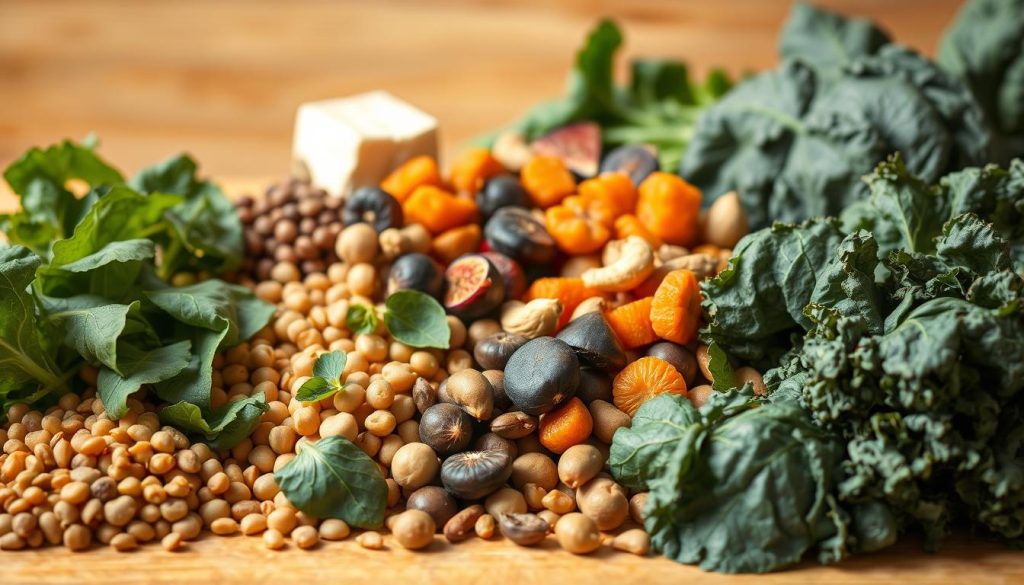
Legumes stand out as iron powerhouses in the plant world. Lentils, chickpeas, and beans provide 4-5 mg of iron per cup while offering protein and fiber. Soybeans and their products like tofu and tempeh are particularly iron-rich, making them staples for vegetarians and vegans.
- Cooked soybeans contain 6.5 mg of iron per 175 mL (3/4 cup)
- Beans or lentils contain 3.3 to 4.9 mg of iron per 175 mL (3/4 cup)
- Chickpeas contain 2.2 mg of iron per 175 mL (3/4 cup)
Leafy Greens and Vegetables
Dark leafy greens, especially spinach, Swiss chard, and collard greens, contain significant iron. One cup of cooked spinach provides approximately 6.4 mg of iron. These vegetables are not only rich in iron but also packed with other essential nutrients.
Nuts, Seeds, and Iron-Fortified Foods
Seeds are concentrated sources of iron, with pumpkin seeds, sesame seeds, and flaxseeds leading the pack. Fortified foods like breakfast cereals and whole grain products have iron added during manufacturing, making them reliable sources for those with limited diets.
- Pumpkin seeds/kernels contain 4.7 mg of iron per 60 mL (1/4 cup)
- Cold cereal with added iron contains 4.5 mg per 30 g
- Tahini (sesame seed butter) contains 2.3 mg of iron per 30 mL (2 tbsp)
Daily Iron Requirements: How Much Do You Need?
Daily iron requirements are not one-size-fits-all; they depend on various personal factors. Your recommended dietary intake (RDI) of iron varies based on age, sex, and life stage.
Iron Needs by Age and Gender
Iron needs change across different life stages. For instance, children aged 7 months to 12 months require 11mg/day, while adults aged 19 to 50 years have different needs based on gender: 8mg/day for males and 18mg/day for females.
- Children aged 1-3 years need 7mg/day.
- Teenagers aged 14-18 years require 11mg/day for males and 15mg/day for females.
- Adults over 50 need 8mg/day.
Special Requirements During Pregnancy and Menstruation
Pregnant women have a significantly higher iron requirement of 27mg/day to support the increased blood volume, the developing fetus, and prepare for blood loss during delivery. Menstruating women also require more iron, approximately 18mg daily, to replace iron lost during menstruation.

Understanding your personal iron needs is crucial to prevent both deficiency and excess. Regular blood testing is the most accurate way to determine if you’re getting enough iron.
Maximizing Iron Absorption from Your Diet
To get the most out of your iron-rich foods, it’s essential to understand how to maximize iron absorption. The amount of iron your body absorbs from food depends on various factors, including the type of iron and the foods you eat alongside it.
Enhancing Factors
Consuming foods rich in vitamin C can significantly enhance iron absorption. Examples of vitamin C-rich foods include citrus fruits like oranges and lemons, tomatoes, berries, kiwi fruit, melons, green leafy vegetables, and capsicum. Try eating these foods raw at the same time as iron-rich foods to boost absorption. You can also drink orange juice with your meals or consider taking a vitamin C supplement.

Inhibiting Factors
On the other hand, some foods and beverages can inhibit iron absorption. These include coffee, tea, red wine (both alcoholic and non-alcoholic), calcium-rich foods like milk or cheese, calcium supplements, and some soybean-based foods. It’s better to consume these foods between meals rather than with iron-rich foods to minimize their inhibitory effect.
By making informed dietary choices, you can maximize your iron absorption and maintain healthy iron levels.
Signs You Might Not Be Getting Enough Iron
Iron deficiency can creep up on you, and being aware of the early signs is crucial for timely intervention. When your body doesn’t get enough iron, it can lead to a range of health issues.
Common Symptoms of Iron Deficiency
Iron deficiency develops gradually, with symptoms often appearing only after iron stores are significantly depleted. Common symptoms include unusual fatigue and weakness, pale skin, shortness of breath, and cognitive issues like brain fog and poor concentration. Some people may experience unusual cravings for non-food items, a condition known as pica.
When to Consult a Healthcare Provider
If you’re experiencing persistent symptoms like fatigue, weakness, or shortness of breath, it’s essential to consult a healthcare provider. Certain populations, such as menstruating women, pregnant women, and people with gastrointestinal disorders, are at a higher risk of iron deficiency. A healthcare provider can diagnose iron deficiency through blood tests and recommend appropriate treatment.
Conclusion: Simple Ways to Boost Your Iron Intake Daily
Ensuring adequate iron intake is vital for your health, and it can be done effortlessly. By making a few simple changes to your daily diet, you can significantly enhance your iron levels. Incorporate iron-rich foods like spinach, pumpkin seeds, and lentils into your meals.
Combining these foods with vitamin C-rich options, such as bell peppers and tomatoes, can optimize iron absorption. Cooking in cast iron cookware and snacking on dried fruits and nuts are also effective strategies. Being mindful of iron intake and avoiding inhibitors like coffee and tea during meals can further improve your iron status.
By adopting these habits and exploring diverse cuisines, you can maintain healthy iron levels and overall well-being. Consult a healthcare provider before starting any supplements to ensure the best approach for your needs.