


A strong back is the foundation of a healthy and athletic body. Developing your back muscles can improve your posture, reduce the risk of injury, and enhance your overall athletic performance.
Effective exercises to work back can target multiple muscle groups simultaneously, making your training more efficient. Whether you’re a beginner or an advanced athlete, a well-designed workout routine can help you achieve your fitness goals.
Key Takeaways
- A strong back is crucial for overall health and athletic performance.
- Effective back exercises can improve posture and reduce injury risk.
- A well-designed workout routine can target multiple muscle groups.
- Exercises to work back are suitable for all fitness levels.
- A strong back can enhance overall athletic performance.
Why Your Back Deserves More Attention
Your back is the foundation of your strength, yet it’s often overlooked. A strong back is essential for both daily activities and athletic performance.
The Overlooked Powerhouse
The back is one of the largest and most important muscle groups in the body. Many fitness enthusiasts focus on “mirror muscles” like the chest and biceps, neglecting the back and creating muscular imbalances that can lead to poor posture and increased injury risk.
Back Pain Statistics
Back pain is a widespread issue, affecting millions globally. In 2020, low back pain affected 619 million people worldwide, with projections suggesting this number will rise to 843 million by 2050.
Strengthening your back muscles can help prevent back pain and improve overall strength. By incorporating exercises that target the back, you can enhance your overall fitness and reduce the risk of injury.
Understanding Your Back Muscles
Knowing your back muscles is the first step to creating a well-rounded back workout. The back is a complex area with multiple muscle groups that work together to provide stability, support, and movement.
Major Muscle Groups
The primary muscles in the back include the latissimus dorsi (lats), rhomboids, trapezius (traps), and erector spinae. The lats are large, fan-shaped muscles that extend from below your armpits down the sides of your back. The rhomboids are located in the mid-upper back between the shoulder blades and play a crucial role in retracting the scapula. The trapezius muscles run from your neck to your mid-back and are responsible for shoulder movement and scapular stabilization.
- Latissimus dorsi (lats): large, fan-shaped muscles responsible for the V-shape physique.
- Rhomboids: muscles that retract the scapula and maintain proper posture.
- Trapezius (traps): muscles that support shoulder movement and scapular stabilization.
How These Muscles Work Together
Understanding how these muscle groups work together is crucial for designing an effective back workout. Each muscle has specific functions that contribute to overall movement patterns, making it essential to include a variety of exercises that work these muscles through different planes of motion.
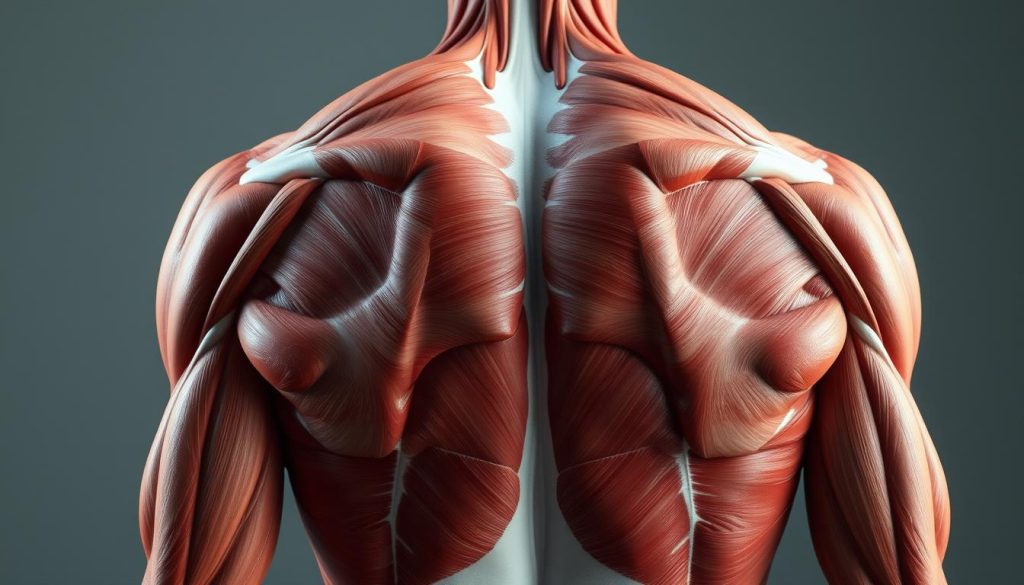
By targeting all areas proportionally, you can prevent imbalances and achieve a stronger, more resilient back. A well-rounded workout routine that includes exercises for the lats, rhomboids, traps, and erector spinae will help you achieve your fitness goals.
Benefits of Strengthening Your Back
Developing a robust back can improve your posture, athletic performance, and overall well-being. Strengthening your back muscles is one way to help manage or even prevent nonspecific back pain and improve range of motion.
Improved Posture and Reduced Pain
Regular back workouts significantly improve posture by strengthening the muscles that support your spine, helping counteract the forward-leaning position many people adopt during desk work. Strong back muscles act as natural pain relievers by properly supporting your spine and reducing the strain on individual vertebrae, potentially preventing or alleviating chronic back pain.
Enhanced Athletic Performance
Athletic performance across virtually all sports benefits from back strength, as these muscles provide the power for pulling movements and stabilize the body during complex motions. This enhancement in performance is crucial for athletes looking to improve their overall training outcomes.
Aesthetic Benefits
The aesthetic benefits of a well-developed back include the coveted V-taper physique, which creates the illusion of a smaller waist and broader shoulders for a more balanced and impressive physique. Back training also improves functional strength for everyday activities.
Preparing for Your Back Workout
To maximize the effectiveness of your back workout and minimize the risk of injury, proper preparation is key. A well-prepared back is not just about showing up at the gym; it’s about creating an environment where you can perform at your best.
Proper Warm-Up Techniques
Starting with 5-10 minutes of moderate cardio is crucial to get your blood pumping and awaken your muscles. This is followed by a 5-minute dynamic stretching sequence to prep your back for targeted exercises. Dynamic stretching, unlike static stretching, helps increase your range of motion and prepares your muscles for the work ahead.
- Increase blood flow to the muscles with cardio.
- Use dynamic stretching to enhance flexibility and prepare your back.
Equipment You’ll Need
The basic equipment needed for a comprehensive back workout includes a pull-up bar, dumbbells of various weights, barbells, resistance bands, and access to cable machines if possible. For home workouts, many effective back exercises can be performed with minimal equipment.
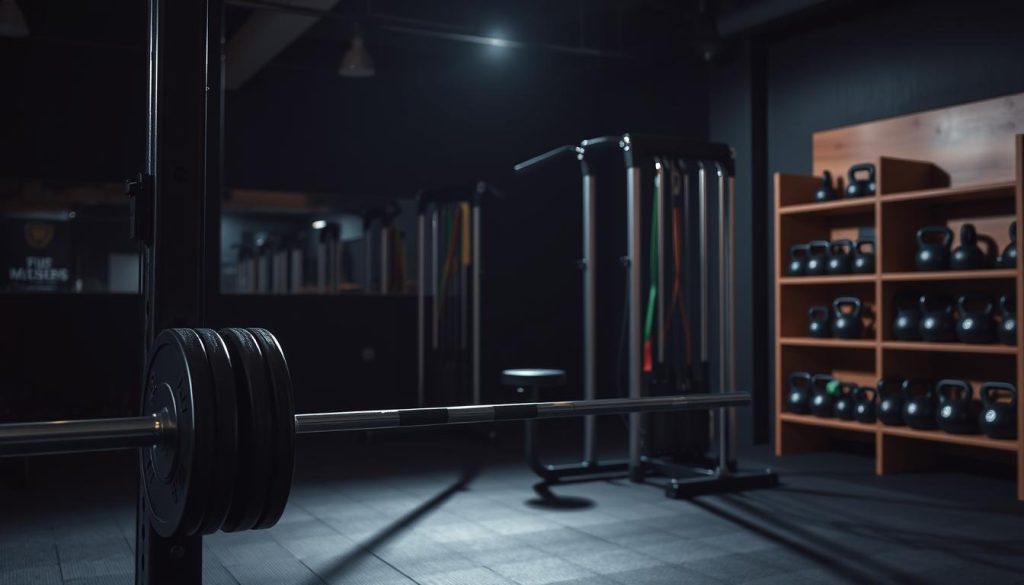
- Basic equipment: pull-up bar, dumbbells, barbells, resistance bands.
- Minimal equipment for home: resistance bands, doorway pull-up bar, adjustable dumbbells.
Best Exercises to Work Back: The Complete List

Building a robust back requires a strategic approach to exercise selection and implementation. This comprehensive list of back exercises has been carefully curated to target every major muscle group in your back, ensuring complete development and balanced strength.
We’ve organized these exercises to work back by the primary areas they target (upper back, lats, rows, lower back, etc.) to help you design a well-rounded back workout routine. Each exercise in this list has been selected based on scientific research and practical experience showing its effectiveness for back development.
Whether you’re working out at home with minimal equipment or have access to a fully-equipped gym, you’ll find suitable back exercises in this list to challenge your back muscles. By incorporating a variety of these exercises into your routine, you’ll prevent adaptation and ensure continued progress in your back development journey.
Upper Back Strengthening Exercises
A strong upper back is the foundation for a healthy and pain-free back. The muscles in this area are crucial for maintaining good posture, facilitating movement, and supporting the shoulders. Strengthening these muscles can lead to improved overall back health and reduced risk of injury.
Resistance Band Pull-Apart
The resistance band pull-apart is a simple yet effective exercise for targeting the upper back muscles. It focuses on scapular retraction, which involves pulling your shoulder blades together. This movement strengthens the rhomboids, rear deltoids, and trapezius, improving shoulder stability and overall upper back strength.
To perform this exercise, stand with your arms extended and hold a resistance band taut in front of you. Keeping your arms straight, pull the band apart by moving your arms outward, then slowly return to the starting position. Aim for 1-3 sets of 8-12 reps.
Reverse Fly
The reverse fly is another effective exercise for targeting the postural muscles in the upper back. Using light to moderate dumbbells, hinge forward at the hips and lift the weights out to the sides while squeezing your shoulder blades together. This movement helps strengthen the muscles that support good posture and reduce the risk of upper back pain.
Band Pull-Aparts
Band pull-aparts are an excellent addition to any upper back workout routine. They strengthen the rhomboids, traps, and rear delts, making them one of the best exercises for keeping your shoulders healthy. By incorporating band pull-aparts into your routine, you can improve your overall shoulder stability and enhance your ability to perform daily activities without strain.
As emphasized by fitness experts, “Focusing on the mind-muscle connection by consciously squeezing your shoulder blades together at the peak of each movement maximizes muscle activation and results.”
Lat-Focused Exercises
To achieve a strong and toned back, it’s essential to focus on exercises that target the latissimus dorsi muscles. These muscles are crucial for creating the coveted V-taper physique and are essential for pulling movements. Incorporating the right exercises into your workout routine can help you build a robust back.

Lat Pulldown
The lat pulldown is a foundational exercise for back development that can be performed on a machine or with resistance bands, making it accessible for both gym and home workouts. When performing lat pulldowns, grip the bar wider than shoulder-width with an overhand grip, pull the bar down to your upper chest while keeping your torso upright, and focus on using your back muscles rather than your arms to move the weight.
- Position the pad so it’s touching your thighs.
- Stand up and grab the bar with hands wider than shoulder-width apart, then sit back down.
- Begin to pull the bar down toward your chest, bending your elbows and pointing them toward the floor.
Pull-Ups
Pull-ups are considered the king of lat exercises, requiring significant strength but offering tremendous benefits. Beginners can use assistance bands or progress through regression exercises like negative pull-ups to build the necessary strength. Focus on engaging your lats and keeping your core tight throughout the exercise.
- Start by hanging from a bar with your hands shoulder-width apart.
- Pull yourself up until your chin is above the bar.
- Lower yourself back down to a dead hang.
Dumbbell Pullover
The dumbbell pullover is a unique exercise that targets both the lats and chest simultaneously while also improving shoulder mobility. To perform the dumbbell pullover, lie on a bench with your feet flat on the floor, extend your arms overhead with a dumbbell, then arc the weight back behind your head while keeping your core engaged and ribs down.
- Start with lighter weights to master the form before progressing.
- Keep your arms straight and focus on using your lats to control the movement.
Row Variations for a Stronger Back
Incorporating different row exercises can significantly enhance back strength and development. Row variations are essential components of any back workout, targeting multiple back muscles simultaneously while allowing for progressive overload as strength increases.
Bent-Over Barbell Row
The bent-over barbell row is a classic compound movement that builds overall back thickness and strength. To perform this exercise, use an overhand grip slightly wider than shoulder-width and focus on pulling the bar to your lower chest while maintaining a flat back.
Single-Arm Dumbbell Row
Single-arm dumbbell rows allow you to focus on one side at a time, helping correct muscle imbalances while also providing a greater range of motion than bilateral movements. Position yourself with one knee and hand on a bench for support, pull the dumbbell up by driving your elbow toward the ceiling while keeping it close to your body, and perform 1-3 sets of 8-12 reps per side.
Chest-Supported Dumbbell Row
The chest-supported dumbbell row is ideal for those with lower back issues as it removes the need to stabilize your torso, allowing you to focus purely on the pulling motion and potentially lift heavier weights. This exercise targets the muscles in your back, including your latissimus dorsi, rhomboids, trapezius, and erector spinae.
Seated Cable Row
Seated cable rows provide constant tension throughout the movement, making them excellent for building back thickness and endurance. Focus on squeezing your shoulder blades together at the peak of the movement to maximize muscle activation.
When performing any row variation, focus on initiating the movement with your back muscles rather than your arms, and maintain a neutral spine position throughout to prevent injury and maximize muscle activation.
Advanced Row Techniques
Advanced row techniques offer a powerful way to challenge your back muscles and break through plateaus in strength and muscle development. These exercises take standard rowing movements to the next level, ensuring that your back muscles are engaged in new and challenging ways.

Pendlay Row
The Pendlay row is an explosive variation of the row exercise that requires more power and eliminates momentum to ensure maximum back muscle recruitment. To perform the Pendlay row, position the barbell over your feet with your torso parallel to the floor, grip the bar wider than shoulder-width, and explosively pull it to your lower chest before allowing it to return completely to the floor.
- Start with the barbell on the floor with the bar directly over the inline of your foot.
- Lock your core and shoulders away from your ears, grab the bar a little wider than your shoulders.
- Explosively pull the bar up so that your elbows bend behind you.
T-Bar Row
T-bar rows use a landmine attachment or a barbell secured in a corner, allowing for a neutral grip that places less stress on the lower back while enabling you to lift heavier weights for greater back development. When performing T-bar rows, maintain a horizontal torso position and pull the bar to your upper stomach, holding the contraction for a moment before lowering the weight under control.
- Use a landmine attachment or secure a barbell in a corner.
- Maintain a horizontal torso position.
- Pull the bar to your upper stomach and hold for a moment.
Renegade Row
The renegade row combines a plank with a single-arm row, challenging your core stability while simultaneously working your back muscles, making it an excellent exercise for functional strength and core development. To perform renegade rows, assume a high plank position with hands on dumbbells, keep your hips square to the floor as you row one dumbbell at a time to your waist.
- Assume a high plank position with hands on dumbbells.
- Keep your hips square to the floor.
- Row one dumbbell at a time to your waist.
By incorporating these advanced row techniques into your workout routine, you can continue to challenge your back muscles and achieve greater strength and muscle development.
Lower Back Strengthening Exercises
A strong lower back is the foundation for a robust workout routine and injury prevention. Strengthening this area is crucial for maintaining good posture, reducing back pain, and enhancing overall athletic performance.
Superman
The Superman exercise is a deceptively challenging movement that targets the erector spinae muscles, glutes, hamstrings, upper back, shoulders, and arms. To perform this exercise, lie facedown on the floor with arms extended overhead. Engage your core and glutes, then lift your upper and lower body off the floor, as high as you can without straining. Pause for 1 second at the top, and return to the starting position in a controlled motion. Complete 1-3 sets of 8-12 reps.
Back Extension
Back extensions can be performed on a specialized bench or stability ball, targeting the entire posterior chain. This exercise is excellent for beginners looking to build lower back strength safely. When using a stability ball, position your abdomen on the center of the ball with feet pressed into the floor for balance. Raise your upper body until your shoulders are above hip height.
Good Morning
Good Mornings are more advanced lower back exercises that mimic a bowing motion. Begin with no weight to master the hip hinge pattern before progressing to a barbell across your upper back. Stand with feet shoulder-width apart, hinge at the hips while maintaining a flat back, lower your torso until it’s parallel to the floor, then return to the starting position.
These back exercises should be performed with strict attention to form rather than heavy weight, as the lower back is susceptible to injury when exercise is performed incorrectly or with excessive load.
Compound Movements for Total Back Development
Compound movements are essential for total back development, engaging multiple muscle groups simultaneously. These exercises are highly efficient for building overall strength and developing the back muscles.
Deadlift
The deadlift is a compound movement that targets many muscle groups at once, making it an excellent exercise for total back development. It works the entire posterior chain, from the upper back down to the calves. To perform a deadlift, stand behind a barbell with feet shoulder-width apart, keeping the chest lifted and back straight. Grasp the bar with both palms facing you, and push back up to a standing position, keeping the bar close to the body. Complete 1-3 sets of 8-12 reps.
- Maintain a neutral spine throughout the movement.
- Keep the bar close to your body to protect your lower back.
- Drive through your heels while engaging your lats.

Farmer’s Walk
The Farmer’s Walk is a simple yet effective exercise for building back strength, shoulder stability, and grip endurance. Hold heavy dumbbells or kettlebells at your sides with shoulders pulled back and down, then walk with short, quick steps while maintaining perfect posture.
- Hold the weight with a firm grip.
- Keep your back straight and core engaged.
- Walk with purpose, keeping the weight close to your body.
Both deadlifts and Farmer’s Walks teach your body to maintain proper spinal alignment under load, which translates to better posture and reduced injury risk in daily life.
Bodyweight Back Exercises for Home Workouts
You don’t need a gym to build a strong back; bodyweight exercises can be just as effective. With the right exercises, you can strengthen your back muscles without any equipment.
Inverted Row
The inverted row is an excellent bodyweight exercise for targeting your back muscles. It’s particularly suitable for those struggling with pull-ups and chin-ups. To perform an inverted row, set up a bar in a rack at waist height, grab it with a wider than shoulder-width overhand grip, and hang underneath with your heels out in front of you and arms fully extended. Your body should be straight from shoulders to ankles. Flex at the elbows to pull your chest up to the bar, then lower yourself back to the start position under control. This exercise can be progressed or regressed by adjusting your body position.
Gorilla Row
The gorilla row is another effective exercise that targets one side of your back at a time, helping to identify and correct strength imbalances. To perform a gorilla row, stand with your feet wider than hip-width apart, hinge at the hips, and alternate rowing each weight (or your body weight) to your waist while maintaining a strong hip hinge position. This exercise requires minimal equipment, making it perfect for home workouts. By incorporating gorilla rows into your routine, you can enhance your back strength and overall muscle definition.
By incorporating these bodyweight back exercises into your workout routine, you can achieve a stronger, more defined back without the need for weights or gym equipment. Consistency and proper form are key to seeing noticeable improvements in back strength, posture, and muscle definition. As stated by fitness experts, “a strong back is the foundation of a healthy and athletic physique.”
Core-Engaging Back Exercises
Core-engaging back exercises are a crucial part of any workout routine, providing numerous benefits for overall strength and stability. These exercises not only strengthen your back but also engage your core, leading to improved posture, balance, and athletic performance.
Wood Chop
The wood chop is a dynamic exercise that targets your core, arms, and back, making it a full-body movement. To perform a wood chop, grab a dumbbell or medicine ball with both hands and hold it overhead with arms straight. Rotate your hips to one side and bring the weight down to the outside of the opposite knee in a sweeping motion. Then, twist your trunk back to the starting position and repeat on the other side.
Muscles worked include the obliques, transversus abdominis, shoulders, upper back, and arms. Complete 1-3 sets of 8-12 reps on each side.
- The wood chop is a functional exercise that mimics natural rotational movement patterns used in daily life and sports.
- It targets the back and core simultaneously, making it an efficient exercise for overall strength.
Plank
The plank is another effective exercise that engages both the back and core muscles. To perform a plank, position your elbows directly under your shoulders, engage your core, and create a straight line from head to heels. Hold this position while breathing normally, ensuring that your hips do not sag.
The plank strengthens the muscles of the upper and lower back, improving overall posture and reducing injury risk. Hold for 30-60 seconds to start, and gradually increase the duration as you build strength.
Building Your Back Workout Routine
Building a comprehensive back workout routine requires careful consideration of several key factors, including exercise selection, volume, frequency, and progression. A well-designed back workout should target all major back muscles through various movement patterns.
Sample Beginner Routine
For beginners, the focus should be on mastering proper form with basic movements. A sample routine could include resistance band pull-aparts, lat pulldowns, seated rows, and supermans. Perform 2-3 sets of 10-12 reps with moderate weight, twice weekly.
Sample Intermediate Routine
Intermediate lifters should increase the volume and intensity. A sample routine might include pull-ups, bent-over barbell rows, single-arm dumbbell rows, chest-supported rows, and good mornings. Aim for 3-4 sets of 8-10 reps with heavier weights.
Sample Advanced Routine
Advanced trainees should implement periodization and include specialized techniques like drop sets and supersets. A sample advanced routine could incorporate deadlifts, weighted pull-ups, Pendlay rows, T-bar rows, and renegade rows, challenging all aspects of back strength and muscle development.
Common Mistakes to Avoid
Effective back training requires more than just lifting weights; it demands precision and proper form. When performing back exercises, many individuals make critical errors that can lead to injury or reduced effectiveness.
Form Issues
One of the most common form issues during back workouts is using momentum rather than controlled muscle contractions. This not only reduces the effectiveness of the exercise but also increases the risk of injury. Other form issues include:
- Rounding the back during rowing movements and deadlifts, which can lead to serious lower back injuries. Maintaining a neutral spine position is crucial.
- Overusing the biceps during back exercises. Instead, focus on retracting your shoulder blades and pulling with your elbows.
- Inadequate range of motion. Ensure you’re fully extending at the bottom of pulling movements and achieving complete contraction at the top.
Programming Errors
From a programming perspective, many people make the error of neglecting certain areas of the back, often focusing too much on lat exercises while ignoring mid-back and lower back development. Other programming mistakes include:
- Training the back with insufficient volume. The back contains large muscle groups that require significant volume (typically 10-20 sets per week) for optimal growth.
- Failing to progressively overload back exercises. Regularly increasing the weight is essential for continued strength and muscle gains.
- Ignoring recovery needs. The back muscles are large and require adequate recovery time between training sessions to grow and strengthen properly.
By avoiding these common mistakes and focusing on proper form and programming, you can maximize the effectiveness of your workout routine and achieve a stronger, healthier back.
Conclusion
Developing a robust back requires dedication, but the benefits are multifaceted and significant. A well-structured back workout routine is essential for achieving overall fitness and strength. The exercises outlined in this guide provide a comprehensive approach to back training, targeting all major back muscles from multiple angles.
To achieve a strong and healthy back, it’s crucial to be consistent with your workout routine, aiming for 2-3 dedicated back workouts per week. It’s also important to listen to your body and adjust the intensity accordingly. With time and patience, you’ll be on your way to building the back you desire, whether you’re working out at home or in the gym.
By incorporating these exercises into your fitness routine and focusing on proper form, you’ll not only enhance your physique but also improve your posture, reduce pain, and boost overall performance. Remember, time and consistency are key to achieving your goals.