

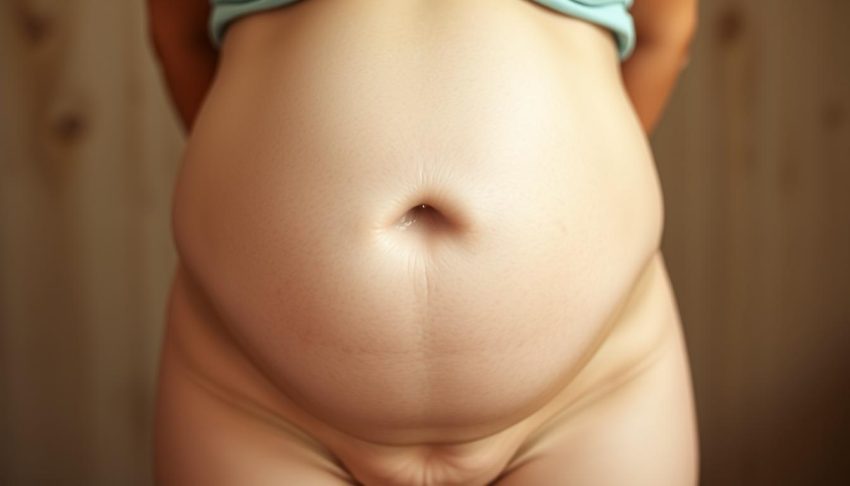
Welcome, new mom! Your body has accomplished something amazing. You grew and delivered a beautiful baby. This journey through pregnancy and childbirth changes your body in many ways.
It’s completely normal to look in the mirror and see a different shape. Your belly may not feel or look like it did before. Please be kind to yourself during this postpartum period. Your focus should be on healing and bonding with your new baby.
Celebrity snapshots can create unrealistic expectations. Most mothers need time and patience to see physical changes. This guide offers supportive, expert-backed strategies.
We will explore what happens to your abdomen during pregnancy. You will learn about safe exercises and nourishing food choices. Our goal is to help you feel strong and confident as you care for your baby and yourself.
Key Takeaways
- Your body undergoes significant changes during pregnancy and it’s normal for your belly to look different postpartum.
- Healing and bonding with your new baby are the top priorities after giving birth.
- Setting realistic expectations is crucial for a positive postpartum body journey.
- Safe, gentle methods are the foundation for achieving lasting results.
- This guide provides a compassionate and comprehensive approach to postpartum wellness.
Understanding Postpartum Belly Changes
Many new mothers are surprised by the lasting effects pregnancy has on their midsection, but these changes are completely normal. Your body accomplished something incredible, and the physical evidence reflects that journey.
How pregnancy alters your abdominal muscles
During those nine months, your abdominal muscles undergo significant stretching. The rectus abdominis, those parallel bands forming your core, separate to accommodate your growing baby.
Pregnancy hormones make your connective tissue more elastic. This allows your muscles to stretch apart comfortably. The average weight gain during this period is between 11-40 pounds, which is healthy and necessary.
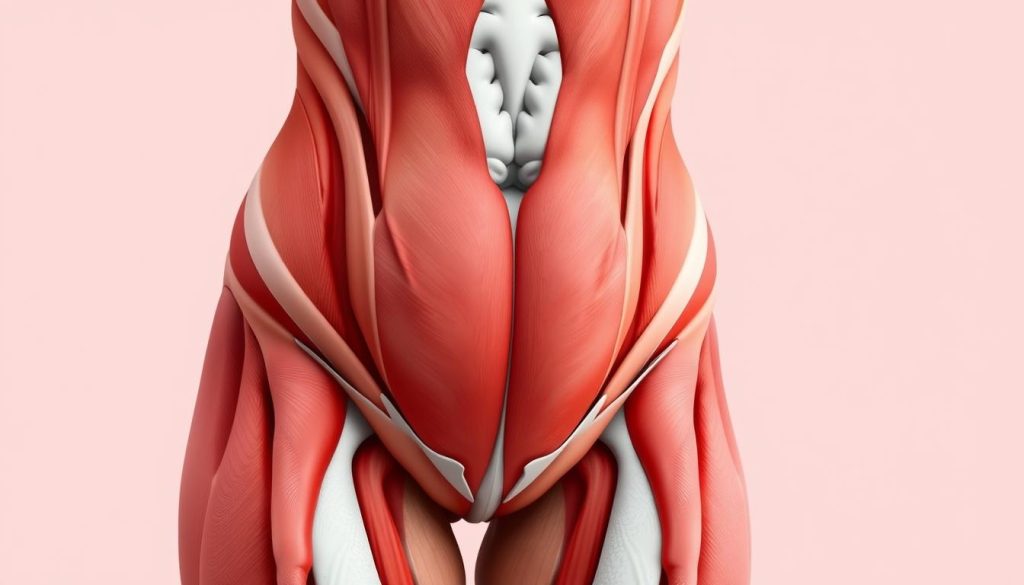
Hormones, weight gain, and diastasis recti
Diastasis recti occurs when the two halves of your recti abdominis separate. This condition affects at least half of women after giving birth. The stretching thins the connective tissue between the muscles.
Your tummy doesn’t immediately return to its pre-pregnancy state. It gradually decreases over weeks, similar to a slowly deflating balloon. Your uterus takes six to eight weeks to contract back to its original size.
Visible changes like the linea nigra (a dark line down your belly) are common. These marks show where your abdominal muscles stretched during pregnancy. They’re normal signs of your body’s amazing work.
How to reduce belly fat after childbirth: Safe Exercise Practices
Your exercise routine should prioritize healing and gradual progression. Getting clearance from your doctor is the first essential step. Most providers recommend waiting six weeks after vaginal delivery or eight for cesarean sections.
This waiting period gives your body adequate time to heal properly. Rushing into intense workouts can actually hinder your recovery process.
Targeting Your Core With Mindful Movements
Avoid traditional crunches during early recovery. Research shows they can stretch connective tissue further. Instead, focus on your deepest abdominal muscles.
The transverse abdominis acts as your body’s internal girdle. Strengthening this core layer provides essential support. Mindful engagement prevents strain on healing tissues.

Pelvic Tilts and Modifications for Healing
Begin with gentle pelvic tilts as a foundational exercise. Lie back on the floor with your feet flat. Bend your knees to create a stable position.
Pull your belly button toward your spine and lift your pelvis. Tighten your buttocks and hold for five seconds. Repeat times this movement for five sets of twenty repetitions.
You can start light walking and pelvic floor exercises early on. Within eight to twelve weeks, most women advance to deeper core work. Aim for muscle-toning sessions two to three times weekly.
Gentle Workouts to Start With
Starting with low-intensity movements can safely reintroduce fitness into your daily routine as a new parent. These gentle approaches respect your healing process while building strength gradually.
Walking routines and low-impact exercises
Walking provides the perfect foundation for postpartum activity. Begin with short, gentle strolls and gradually increase your pace as stamina improves. This simple exercise helps get your fitness journey moving forward.
Consider wearing your baby in a front carrier during walks. The added weight increases the workout benefits while allowing bonding time. You may find this combination works well for both of you.

Deep breathing is another excellent starting point. Sit upright and draw air from your diaphragm, contracting your abs during inhalation. This medically reviewed technique can begin just hours after delivery.
Exercises you can do with your baby
Incorporate your little one into your routine with baby-friendly movements. The baby glider involves forward lunges while holding your baby close to your chest. Repeat 8-10 times on each side for a balanced workout.
Kegel exercises strengthen your pelvic floor muscles. Contract the muscles that control urine flow, holding for a few seconds before releasing. Aim for 10 repetitions three times per day.
As your body strengthens, consider joining a gym with childcare services. This arrangement can help get you consistent exercise time while your baby socializes safely.
Nutritional Guidance for Postpartum Weight Loss
Nourishing your body with the right foods plays a crucial role in your postpartum recovery journey. What you eat directly impacts your energy levels and healing process during this important time.

Healthy meal choices and balanced snacks
Breastfeeding can naturally help lose weight by burning extra calories. Mothers typically use 400-500 calories each day to produce the full amount of milk needed.
Research shows exclusive breastfeeding for over three months often leads to greater weight loss. Gradual reduction of about 1.5 pounds weekly is safe and won’t affect milk supply.
Wait until after your postnatal check before actively trying to lose weight. This gives your body time to recover from pregnancy.
Choose healthy snacks like high-fiber cereal, cut vegetables, and unsweetened yogurt. These support your health while managing weight.
Follow balanced nutrition guidelines: never skip breakfast, include five fruit/vegetable portions daily, and add fiber-rich foods. Portion control at meals supports sustainable weight loss.
Most parents reach their pre-pregnancy weight around six months postpartum. Healthy changes take time rather than happening quickly.
Supportive Tools: Belly Wraps and Postpartum Gear
Supportive garments can provide comfort during your postpartum recovery journey. These tools offer temporary relief while your body undergoes natural healing processes.

Choosing between belly wraps, girdles, and corsets
Postpartum belly wraps feature adjustable elastic that covers your torso from ribs to hips. They provide gentle, even compression that supports your tummy without restricting movement. This makes them ideal for daily wear during recovery.
Waist cinchers and corsets offer much stronger compression. Their stiff material and hook closures can actually cause more harm than good. Gentler support proves much safer for your healing body.
Mothers who’ve had cesarean deliveries often find wraps particularly helpful. The compression takes pressure off the incision site while supporting your lower back. This aids healing during those critical first weeks.
If your doctor recommends a wrap, typical usage involves wearing it 10-12 hours daily for 6-8 weeks. This consistent support gives your abdominal area the time it needs to recover properly.
Popular options include the Belly Bandit Original, UpSpring Shrinkx Belly, and Ingrid & Isabel Bellaband. Each offers different features and size options to fit various body types.
Remember these tools won’t permanently change your body shape or size. They’re supportive aids that work best when combined with exercise and nutrition. You’ll still need to actively strengthen your abdominal muscles for lasting results.
Overcoming Common Concerns and Myths
Understanding what’s normal after giving birth can help ease common anxieties many new parents face. This knowledge empowers you to set realistic goals for your postpartum journey.
Realistic timelines for regaining your pre-pregnancy body
The saying “9 months to put it on; 9 months to take it off” reflects many mothers’ experiences. Most parents don’t get back to their pre-pregnancy weight until about 6 months after their baby’s birth.
Your tummy begins to decrease in size immediately after delivery. However, your uterus needs 6 to 8 weeks to shrink back to its original size.
Managing expectations and overcoming setbacks
Diastasis recti affects at least half of women after pregnancy. To check for this condition, lie on your back with knees bent and feet flat on the floor.
Place your palm near your belly button and lift your shoulders slightly. If the gap between your muscles exceeds two finger-widths, you may find you have diastasis recti.
This separation often resolves within 8 weeks after giving birth. If concerns persist, consult your doctor for guidance.
Your body may find its new normal differs from your pre-pregnancy shape. Factors like genetics and pregnancy weight gain influence your recovery timeline.
Medically reviewed research shows that gradual exercise supports both physical health and mental well-being. This approach helps get back to your routine while minimizing risk.
Conclusion
The path to feeling strong and confident in your body after pregnancy involves celebrating small victories along the way. Your postpartum tummy reflects the amazing work your abdominal muscles did during pregnancy and childbirth.
Start with gentle movements on the floor, like pelvic tilts, to rebuild your core strength safely. Proper nutrition supports sustainable weight loss while maintaining your health and energy for caring for your baby.
Remember that realistic timelines matter—most mothers need six to nine months to see significant changes. Always consult your doctor before beginning any exercise program after birth.
Focus on what your incredible body can accomplish rather than achieving a specific appearance. Your well-being matters most during this special time with your new baby.